Choosing the Right Fencing Material: A Complete Guide for Homeowners Mar 08, 2026
When it comes to fencing, the main materials to consider are wood, vinyl, aluminum, and chain link. Each offers distinct benefits and potential drawbacks, making certain materials more suitable for specific applications than others.
Wood fences remain a popular choice for many homeowners due to their natural beauty and versatility. They offer a classic look that can complement any style of home. Depending on your design preferences, you can choose from a variety of wood types such as cedar, pine, or redwood. Wood is perfect for creating privacy due to its height and solid structure. However, wood fences do require regular maintenance, such as staining or painting, to protect against weathering and insects.
For those seeking a low-maintenance option, vinyl fencing is an excellent alternative. Vinyl is available in a wide array of styles and colors, allowing you to achieve a wood-like appearance without the upkeep. It resists pests, does not rot, and can endure harsh weather conditions. Despite its higher initial cost compared to other materials, the long-term savings on maintenance make it a worthwhile investment.
Aluminum fencing offers a combination of durability and elegance. It is ideal for decorative purposes and securing a property without obstructing views. Aluminum fences are known for their resistance to corrosion, making them a suitable option for areas prone to moisture. While not intended for privacy due to their open design, they are an exceptional choice for safety around pools or gardens.
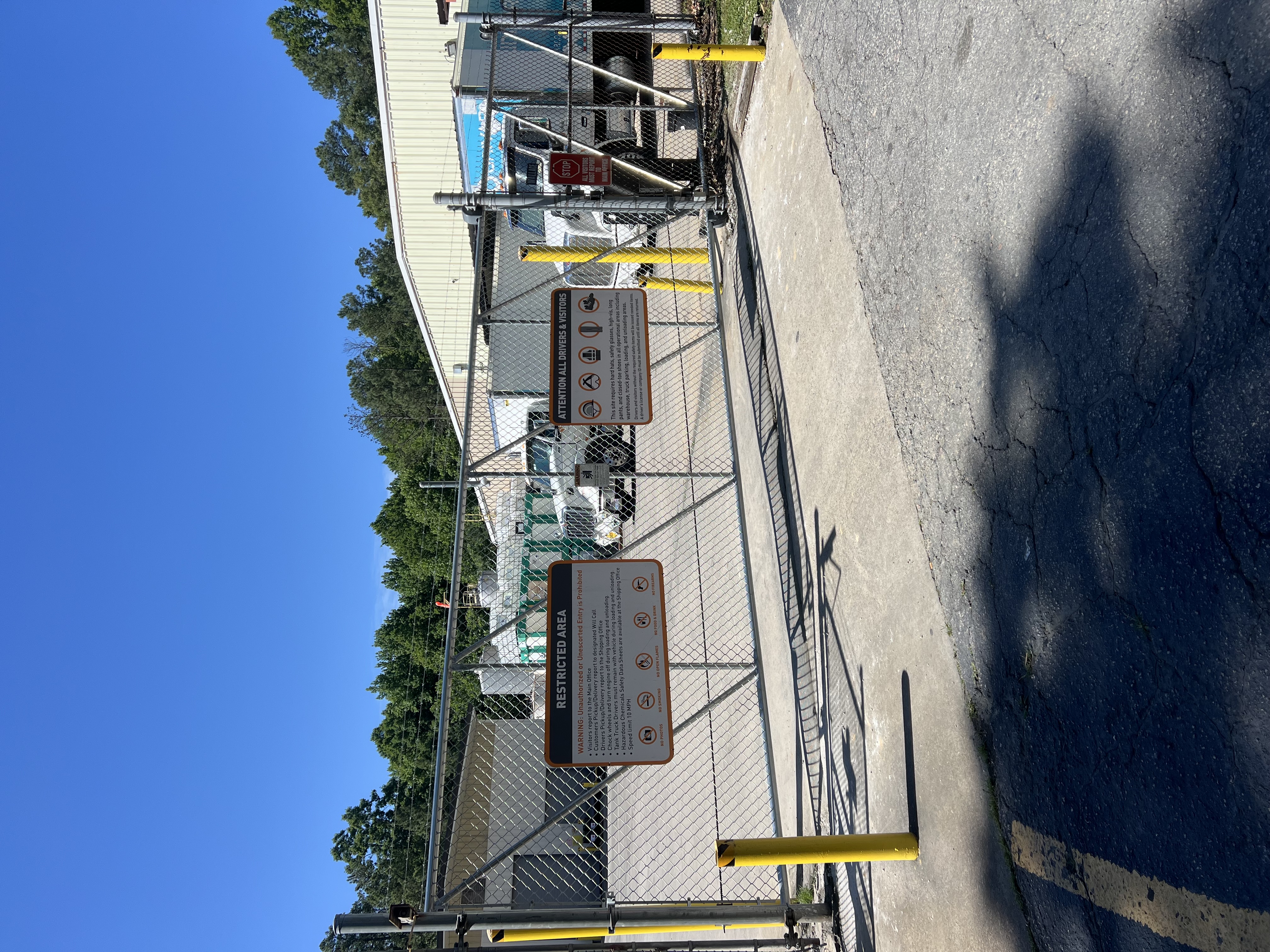
If affordability and functionality are key, chain link fencing is a practical choice. It is cost-effective and can be installed quickly, providing security and boundary definition. Though it lacks the privacy and aesthetic appeal of other materials, chain link fencing can be enhanced with vinyl-coated options or by adding privacy slats.
Aside from choosing the type of material, homeowners should also consider factors such as local climate, budget, and the primary function of the fence. For instance, if you're in an area with frequent rainfall or humidity, materials like vinyl and aluminum that resist rust and decay might be more suitable. Budget constraints might steer decisions toward chain link or basic wood installations, while special regulatory requirements, such as those around pool areas, could necessitate specific materials.
In conclusion, selecting the right fencing material involves balancing functionality, aesthetic goals, and budget. At TriCity Fence and Contracting, we are dedicated to assisting you at every step of the process. Our experts can provide consultations to help you navigate through your options and clarify any concerns, ensuring your new fence not only enhances your property’s look and feel but also adds value and security for years to come.
Choose wisely and invest in quality materials today for a fence that lasts a lifetime with minimal maintenance. When in doubt, consult with professional contractors who can advise on the best solutions tailored for your specific needs and circumstances. Reach out to TriCity Fence and Contracting for your fencing needs and experience service that exceeds expectations.
/filters:no_upscale()/filters:format(webp)/media/9476e6ac-b2d8-41fa-a685-de276a66b7e4.jpeg)